In 1989, Josepha “Jossy” Eyre was volunteering at a women’s shelter in Denver when she noticed a pattern. The residents would find jobs, lose them within weeks, and return for help. She realized the issue wasn’t access, but sustainability. She created a plan to teach the women job skills, and using $500 of her own money she bought bulk dry beans and hired two of the women. Together they began packaging soup mixes in the shelter’s basement and sold them to the public. She chose beans deliberately: they were inexpensive, nutritious, and could feed a family. By the end of the year, the two women had gained transferable skills and no longer required the shelter’s services.
So began the Women’s Bean Project – a nonprofit that helps disadvantaged women by providing training and employment within food manufacturing. The individuals who enter the program carry significant burdens: housing instability, histories of substance abuse, dependence on public assistance, lack of marketable skills, and in many cases, families depending on them. Many times, they have been overlooked or turned away previously by other systems, courts, employers, or treatment programs. Since its founding, the organization has helped over 1,500 women reclaim their lives. 36 years later, that original soup mix is still their best-selling product.
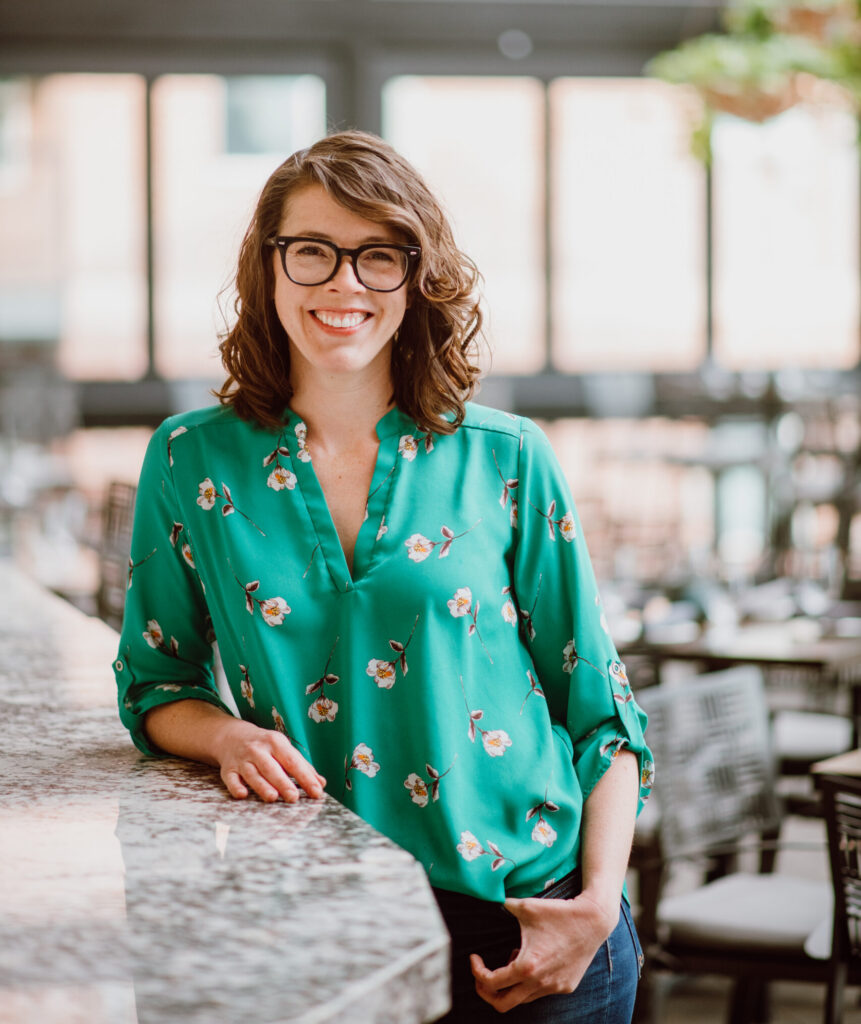
Women’s Bean Project CEO Shelby Mattingly.
The nonprofit remains run predominantly by women. In 2025, Shelby Mattingly was named as the new CEO, bringing with her leadership experience in community-focused organizations and a deep commitment to grassroots change. She understands that for many of the women who walk through the door, this organization may be the first place that has ever believed in them. “It’s everything to be the place that says yes,” Mattingly says. “There are systems that are failing all of us. And I think one of the things people miss is how close every single one of us is to being exactly in the position that women who are coming to Women’s Bean Project are in.”
The need for that yes is greater than most people realize, and the organization has built an entire business around answering it. Through education, training, employment and second chances, it has grown into a $3 million-a-year social enterprise and sells baking mixes, spice blends, popcorn, sweet treats, and even dog treats. The items are sold in nearly 1,000 retailers nationwide, as well as online. Packages often display a sticker reminding buyers that their purchase creates jobs. It is a small detail that closes the distance between a shelf in a grocery store and a woman rebuilding her life.
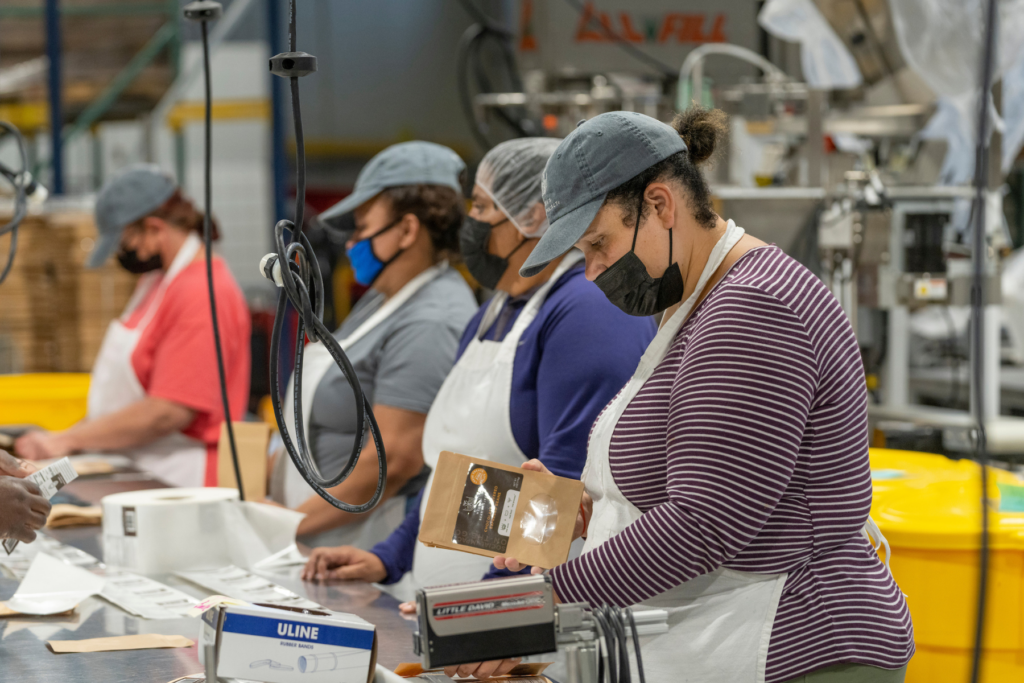
Every item is produced by the women in the transitional employment program, which runs six to nine months. They are hired as production assistants, working in the factory making and packaging the products. Alongside their manufacturing shifts, they attend classes covering topics such as workplace communication, financial literacy, and GED preparation. They are paid minimum wage for 100% of their time, whether on the production floor or in a classroom. On average, 89% of graduates leave the program with a full-time job already secured, going on to careers in customer service, healthcare, hospitality, and education.
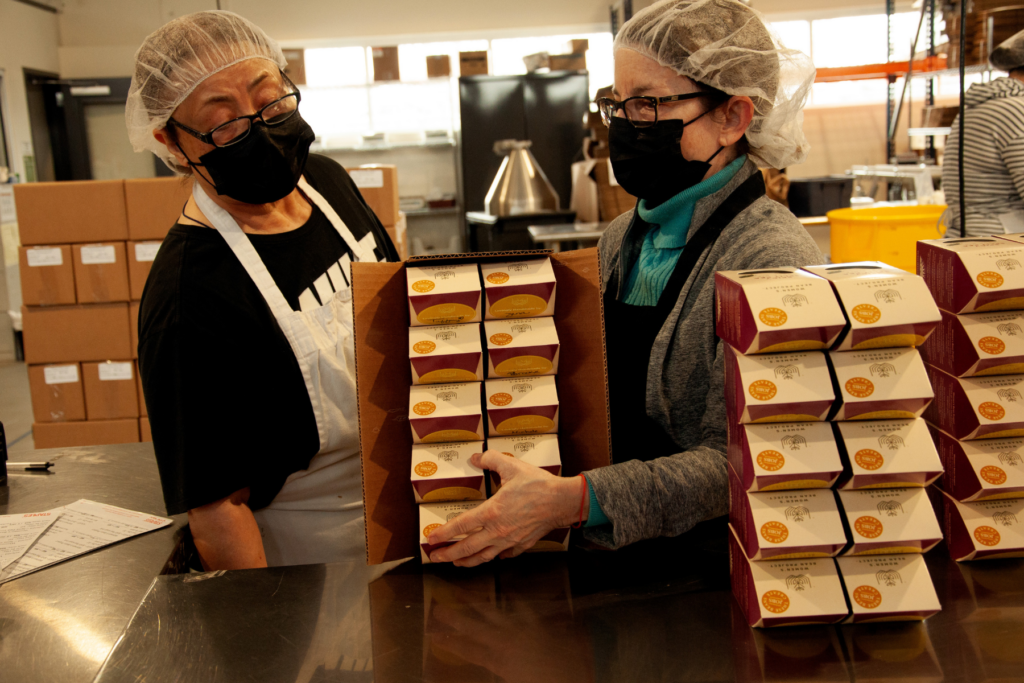
Running a product-driven company with a social mission comes with its own complexity. The nonprofit covers its expenses through a blend of product sales, grants and donations. Mattingly is candid about the balancing act. “All of it helps us operate, but certainly there are challenges. Figuring out how to drive the business forward while also serving the mission is the constant dance we do as an organization. But it’s the core of what we do, so we love it.”
The organization’s reach has started to extend far beyond Denver. In early 2026, Mattingly appeared on the Kelly Clarkson Show alongside a program participant, where they received a $5,000 donation from the Conagra Brands Foundation. Contributions like this are key to keeping the nonprofit running and ensuring the program can help future applicants.
The demand for what the organization offers shows no signs of slowing. Mattingly acknowledges that hardship is part of being human, and no one should be defined by their worst moment. She notes that it is easy to distance yourself from someone who is struggling, but the reality is that hardship can find any of us. What matters is the willingness to move forward. “It’s okay to have struggled,” the CEO reflects. “It’s okay to have misstepped in ways that you’d like to not repeat. It’s okay that systems have failed you. That’s not about your value as a human being. You bring value to the table and you have the resilience, capacity and potential to be tremendously successful.” She believes that recognizing someone’s struggle and connecting with them can be enough to change the course of a life.
She shares the story of one participant, Karly, as an example of the ripple effect this work creates. Before enrolling, she had no stable housing, was cycling through the criminal justice system, struggling with sobriety, and had lost custody of her child. She joined the program as a last resort. When asked to set a goal, she chose small but specific things: learning how to say hello to a new person every day, to make eye contact, to engage with people. Ten months later, she stood along with Mattingly in front of a packed room and shared her story of transformation. An audience member was so moved they offered her a job referral, and she interviewed and got the position. Because of the program, Karly secured housing, reconnected with her family, and started her life over with a new job.
This success story is one of many, and each one chips away at the stereotypes that keep society from seeing these women clearly. Women’s Bean Project steps in where other systems have fallen short, finding and nurturing the worth that was always there, but waiting for the right conditions to grow. The founder saw that potential almost forty years ago, in two women desperate for change and a bag of beans. That same passion lives on in the new CEO now carrying the work forward. A bean is not only a food source. It represents the human spirit. When planted, it grows back. It survives.
AUTHOR
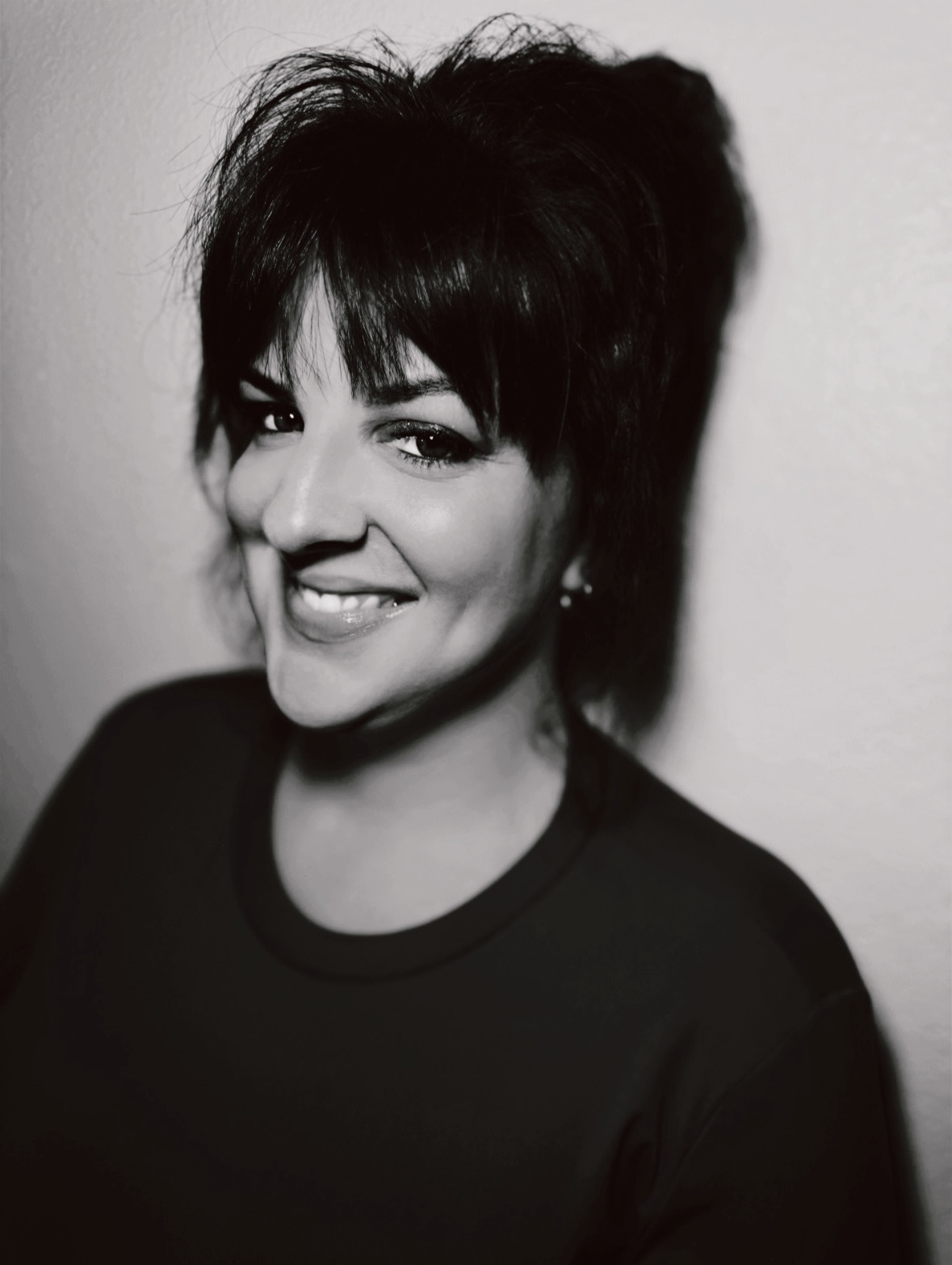
Becca Knowlton is an internationally published writer and journalist covering the human interest stories connecting us all. Her bylines appear in Eater, Voquent (UK), Oregon ArtsWatch, Willamette Living, Beyondish, and San Diego Reader. She writes about exploring and celebrating our shared humanity through food, travel, and art. She is currently based in the Pacific Northwest.


NEXT ON THE DISH