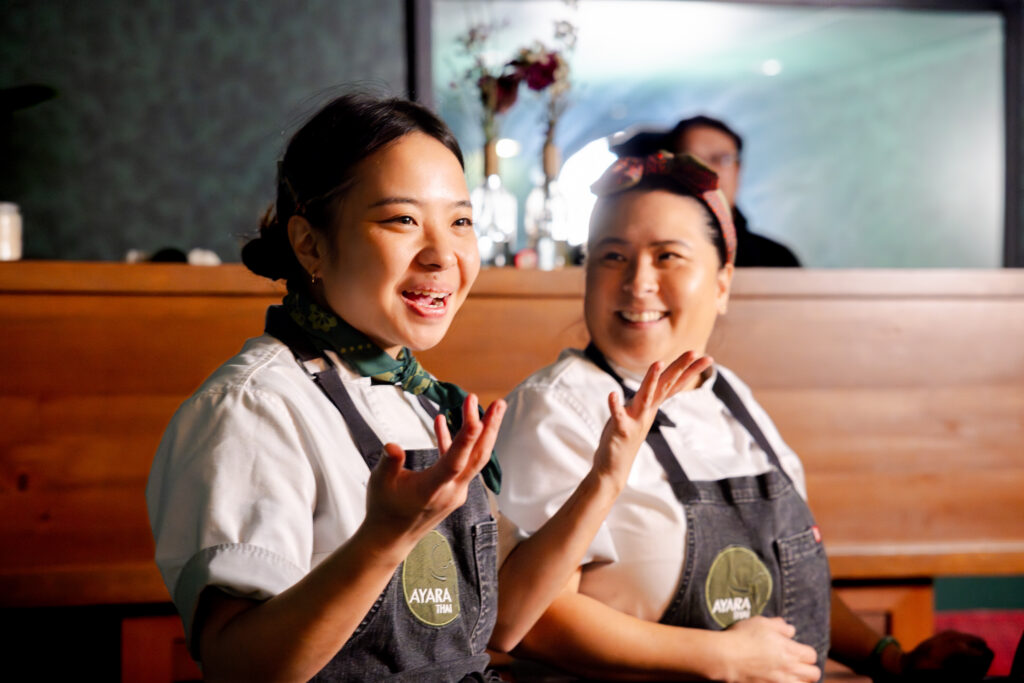
For over 20 years, sisters Vanda and Cathy Asapahu have made Ayara Thai a cornerstone of Los Angeles dining, blending deep-rooted family tradition with the city’s vibrant, cross-cultural flavors, from churros to Vietnamese coffee. Bold yet grounded, they continue to evolve Thai cuisine while staying true to its soul. In a candid conversation with Beyondish, the Asapahu siblings open up about the stories behind their most personal dishes, the lessons that shaped their journey, and their vision for the future of Thai cooking.
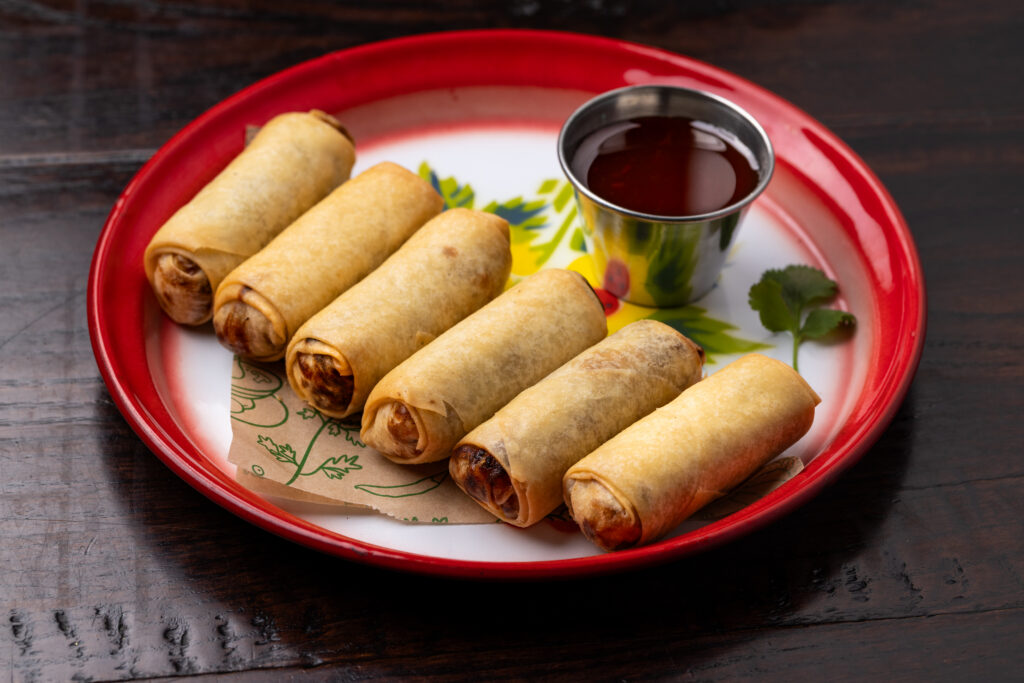
Photo: Jakob Layman
Your family’s culinary roots span Bangkok’s Samsen District and the farms of Lampang. If you had to create one dish that fully represents both sides of your heritage, what would be in it and what would you call it?
Chef Vanda: Something we’ve actually made before: a roasted duck taco on a house-made rice tortilla with a roasted chili nam prik num pla-ra salsa. The roasted duck reflects our dad’s Thai Chinese upbringing in Bangkok’s Samsen District, along the Chao Phraya River—rich, savory, and deeply influenced by Chinese flavors and technique. The nam prik num, pushed with extra pla-ra, represents our mom’s Northern Thai roots in Lampang, where food is defined by smoke, fermentation, and bold, rustic flavors.
And then there’s the taco. We grew up in Los Angeles and nothing represents our experience here more than that format. It felt natural to bring everything together in a taco, but with a twist. Instead of corn or flour, we made a rice tortilla that could carry both the richness of the duck and the intensity of the salsa.
Growing up between royal cuisine and the bustling spice trade is such a unique background. What’s one ingredient or technique you still secretly geek out over today?
Chef Vanda: As a kid growing up in a Thai food family, one of my first few memories in the kitchen involved the mortar and pestle. The technique of using a mortar and pestle is something I treasure. When we pound chili, garlic, herbs, and spices together, we’re not just blending but crushing fiber to release essential oils and aroma, layering flavors in sequences with intentionality, and controlling texture from coarse to silky smooth.
What’s one cooking lesson from your parents that you still hear in your head every time you step into the kitchen?
Chef Cathy: Always taste as you go. Thai food relies on fresh ingredients, so seasonality can alter the taste of a dish drastically. For instance, lime can be more sour, sweet, or bitter depending on the time of year, so it’s important to taste the dish often as it is being prepared and balance the flavor with sugar, fish sauce, or salt if necessary.
Ayara is known for modern takes on classic dishes, like your Lobster Pad Thai and Thai Tea Flan. What’s the wildest “SoCal meets Thai” idea you’ve dreamed up?
Chef Cathy: Ultimately, our recipes are always rooted in the flavors we grew up with. Even when we experiment with different cuisines and culinary styles, our palates often bring us back to core Thai ingredients like curry paste, fish sauce, and palm sugar. Particularly memorable dishes include our Thai Lobster Roll (homemade squid-ink milk buns stuffed with lobster dressed in our zingy house dressing and topped with tobiko), Nam Prik Ong Lasagna (herbal red curry paste meets an Italian-American classic), and the Roast Duck Taco that Vanda mentioned.
Family businesses always come with a little bit of drama. What’s the funniest or most memorable Asapahu family kitchen debate?
Chef Cathy: Rice porridge is a staple in our household. My dad, of Chinese heritage, grew up eating a thick, gruel-like jok. In Northern Thailand, where my mom is from, rice porridge is thin and soupy. The difference in texture comes from how often you stir the pot. My mom hardly touches it, so hers stays thin. The rest of us prefer the thick Chinese style, so we all stir the pot behind her back! Honestly, I’m not sure why we don’t just make two separate pots. More dishes to wash, I guess?
What’s the craziest delivery story from your early days in the family business?
Chef Vanda: For about 11 years, long before third‑party apps, Ayara offered free delivery over $15. On rainy nights we never had enough drivers, so my siblings and I became backup drivers. One rainy night, I had to park across the street, get buzzed through a gate, then walk what felt like 10 minutes down a dim, flickering hallway. It felt like a horror movie. The guest handed me exact change, no tip, and said it was all they had. It was frustrating then, but looking back, it perfectly captured those early survival‑mode years.
You’ve cooked for first dates, weddings, baby showers, and even funerals. When did you realize Ayara Thai had become more than a restaurant?
Chef Vanda: I realized it when I saw we weren’t just serving food. People trusted us with their milestones. That’s when I understood we were creating memories, not just meals.
With Ayara celebrating 20+ years in business, what is one tradition you’ll never change?
Chef Cathy: Our success comes from our community. Over the past 22 years, we’ve seen Angelenos become more aware and appreciative of Thai flavors. When we opened in 2004, our Khao Soi was often returned because diners didn’t recognize it. Now it’s one of our most popular dishes.
What’s one rule that you’d like to break?
Chef Cathy: We’ll continue breaking rules by presenting flavors true to us, unapologetically.
Describe each family member as a Thai ingredient.
Chef Cathy: Vanda is the chili. Peter is the palm sugar. Cathy is the lemongrass. Mom is coconut milk (soothing and inviting). Dad is fermented shrimp paste (salty, funky, an acquired taste).
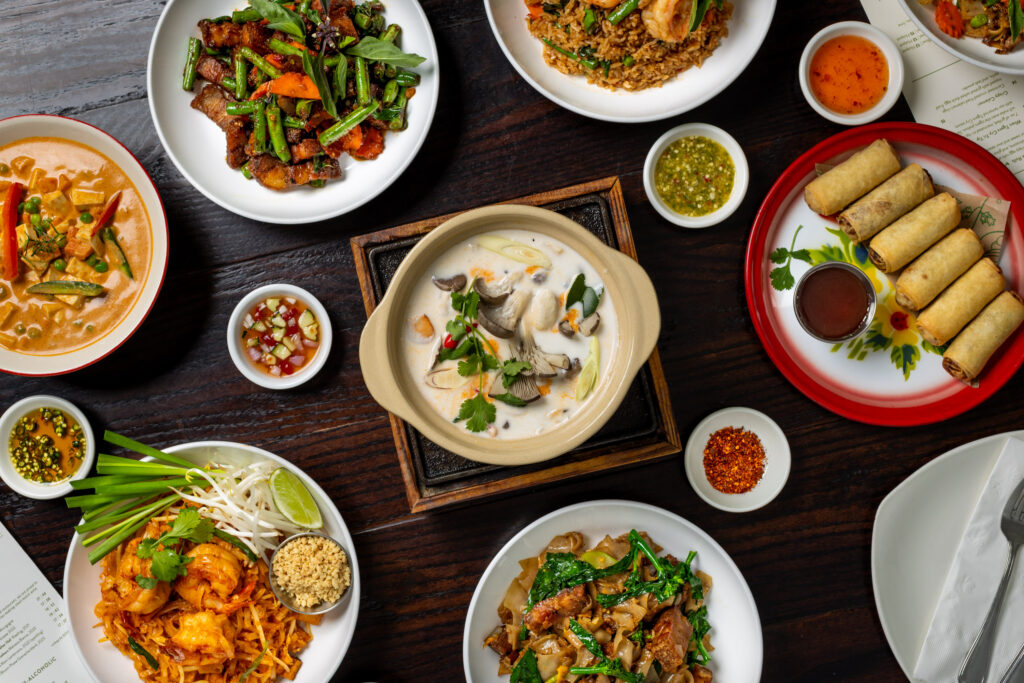
Photo: Jakob Layman
You competed on Guy’s Grocery Games along with your brother Peter. When did you realize you had a shot at winning?
Chef Vanda: When we tasted our curry crab before plating. All three of us agreed it was delicious and tasted like home—a rare moment of unanimous agreement. That’s when we knew we had a strong dish.
What strength does your sister bring to the kitchen that gave your team an edge?
Chef Cathy: Vanda’s leadership. She is a schemer, hustler, and big dreamer. She doubles down when others would back down and inspires us to step it up.
Chef Vanda: Cathy’s palate and technical skills gave us a major edge. She can taste subtle layers in curry, balance acidity, or know exactly when seasoning is perfect. People assume she’s all about sweets, but she’s a wolf in sheep’s clothing. Precise, fearless, and wildly creative.
What’s one moment in your career when you felt you challenged assumptions about the worth of Asian cuisine?
Chef Cathy: There isn’t one moment. We challenge assumptions everyday through careful sourcing, hard work, and conversations with guests. When people ask why our food costs what it does, we engage them. Explaining that more than 15 ingredients go into our Pad Thai helps people understand the true value.
What do you want diners to understand about the labor, technique, and sourcing behind Thai food?
Chef Cathy: Guests often ask if our food is “authentic,” and we challenge that word. Is authenticity static? Should cuisine stay frozen in time? Food evolves. We’re immigrants whose food draws on lessons from many stages of life, across borders both real and imagined.
Tell us about being invited to join the Chef’s Table x Airbnb Experiences collection.
Chef Cathy: When I started in fine dining, the first season of Chef’s Table had just aired. I aspired to be like those chefs (mostly white men, with Niki Nakayama as a notable exception). After a decade in white‑tablecloth restaurants, I longed for the flavors I grew up with. Being invited felt full‑circle. I’m proud we can represent Thai American cuisine, Angeleno immigrant culture, and our women‑owned business.
What aspect of your culture were you most excited to highlight in your intimate dining experience, “Thai Supper Club: Taste LA Through a Thai Lens.”
Chef Vanda: Sharing our love story to L.A. through food. With just 12 guests, we can provide an intimate experience that reflects how growing up in Los Angeles shaped our cooking and layering of flavors. Every dish has a memory and a story.
What’s one dish or technique you love to teach your guests?
Chef Cathy: Tamale-making. Guests roll up their sleeves and help create the meal. Many immigrant cultures have communal kitchen tasks and tamales are a great example. Ours are Central‑American style, wrapped in banana leaves and stuffed with Haw Mok (Thai red curry fish mousseline), combining techniques from our family and from chefs across Latin America.
What immigrant‑rooted ingredient or story are you most proud to showcase?
Chef Cathy: The dessert–a warm, chewy sweet potato donut dusted in churro cinnamon sugar with Vietnamese coffee gelato. It honors L.A.’s Cambodian American–owned donut shops, a legacy started by Ted Ngoy in the Seventies. His entrepreneurship reminds me of my dad and his struggles as an immigrant.
Looking back at your family’s journey, how do you see yourselves carrying the Asapahu culinary legacy?
Chef Vanda: We see the legacy as a privilege and a responsibility. We know how often chefs must cook what pays the bills, not what they dream of. Our hope for the next generation is freedom to cook what inspires them, push Thai food to new limits, and not feel bound by fear or tradition. Legacy isn’t just recipes; it’s courage and creativity.
AUTHOR

Marc Cuenco is a Los Angeles-based freelance writer with over 10 years of experience covering pop culture, food, fashion and lifestyle. A healthcare professional by day, Marc spends his free time taking photos of his puppy Chandler and exploring L.A.’s diverse food scene.


NEXT ON THE DISH