American farming is quietly disappearing. The country lost nearly 15,000 farms in 2024 alone, bringing the total to 1.88 million — the lowest number in over a century. That decline is more than a numbers problem. As independent farms give way to mass corporate agriculture, staying connected to where our food comes from is becoming increasingly rare – a quiet erosion of something fundamental to who we are. Still, there are pockets of remaining farmers who don’t fit the mold of who the industry expects but are passionate about creating space within it.
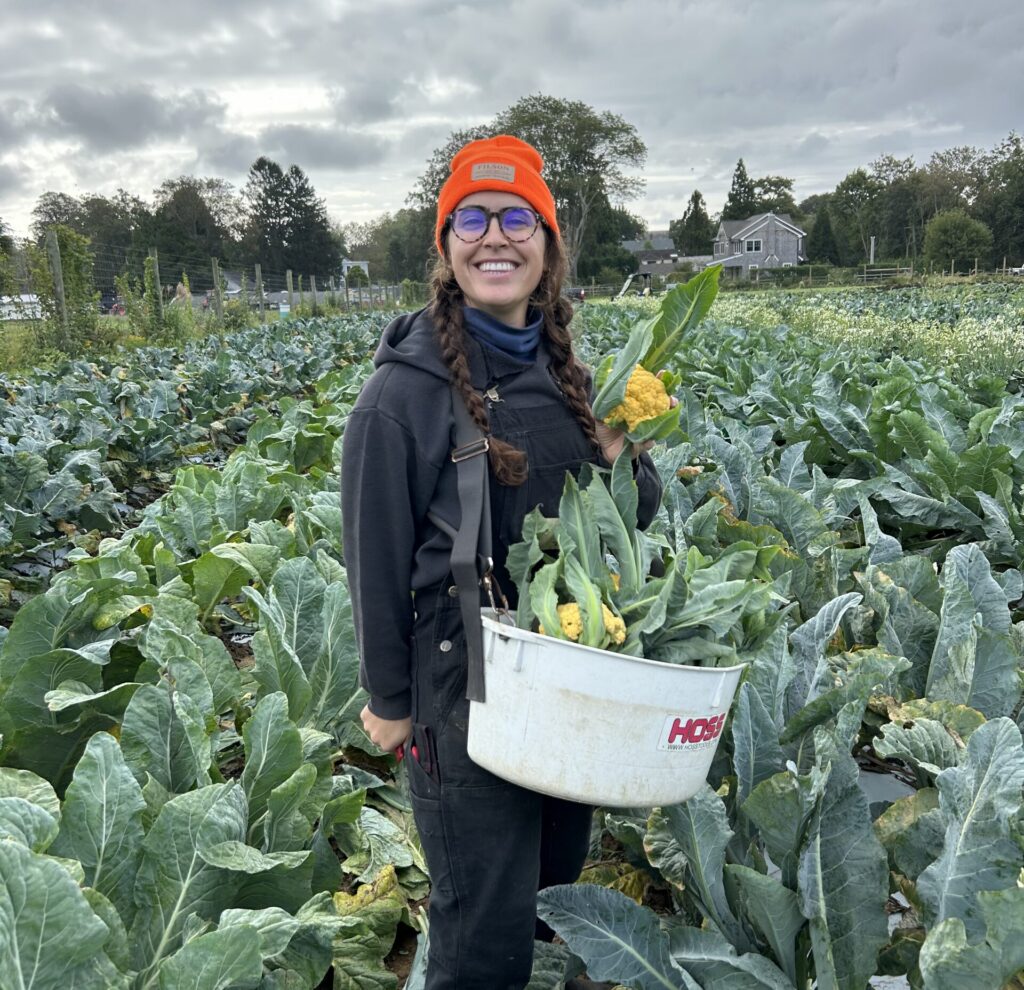
Shani Mink, an East Coast farmer, is one of them. Many times, she was the only woman working on the farm crew, and usually the only member of the Jewish faith. In 2016, at the Hazon Food Conference, she found herself sitting with a dozen other Jewish farmers. Some were the only Jewish person at their farming job. Others were the only farmer in their synagogue. None of them felt like they belonged in either world. Mink and fellow farmer SJ Seldin decided to start a Facebook group afterward to continue the conversation. Within two days, more than 200 Jewish farmers had joined.
Nine years later, that initial discussion has grown into the Jewish Farmer Network, a nonprofit connecting roughly 1,800 Jewish agrarians across 47 states and nine countries. They offer a membership program, online courses, a podcast called Jews in the Field, regional gatherings such as Shabbat dinners hosted on member farms, and a biennial national conference. Their mission is to cultivate the spiritual, cultural and social wellbeing of Jewish farmers, no matter the level of religious observance.
When asked about starting JFN, Mink is hesitant to accept praise. “I don’t really want to take credit,” she tells Beyondish. She acknowledges she didn’t set out to build an organization but noticed a gap and filled it. “I’m not creating the connections between Judaism and agriculture. I am just creating a space where people can make those connections and meet each other. It’s a beautiful thing.”
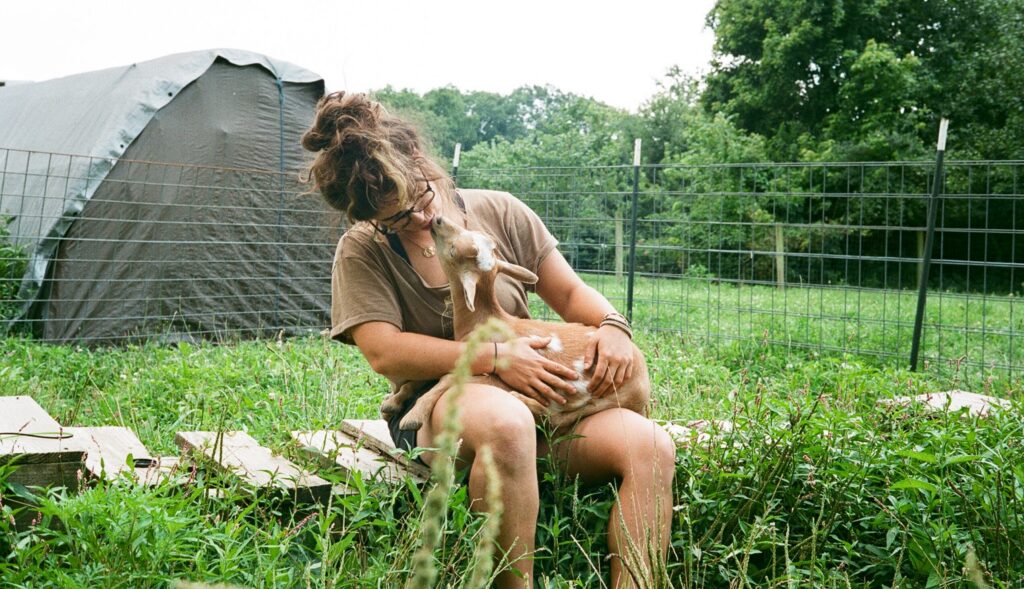
That space has expanded and now includes Jewish orchardists, beekeepers, ranchers, herbalists, and homesteaders in its membership. What they may share, Mink observes, is loneliness. “A lot of our farmers are the only Jewish person in their farming community, if they have a community at all. And so there is this sense of isolation. Social isolation is not healthy,” the co-founder reflects. “We need each other…In a world that is increasingly anti-Semitic, having the opportunity to connect with other Jews is really healing.”
The needs of the community extend beyond the social to the economic. Because affordable land tends to sit farther from cities, many Jewish farmers live well outside the reach of a synagogue, a kosher market, or a Jewish day school — the ordinary infrastructure of religious life in a community. Choosing the land you can afford often means choosing distance from your own people. And rural distance doesn’t always mean neutral ground, either. Some Jewish farmers have found their new neighbors aren’t especially welcoming of someone who they consider different to them.
Mink has become a translator between worlds. She recently attended an event hosted by the USDA’s Center for Faith-Based and Neighborhood Partnerships. The aim was to address antisemitism and Islamophobia in rural America, including training pastors and community leaders on teaching parishioners how to communicate with others outside their own faith. More than one attendee told her she was the first Jewish person they had ever met. “I didn’t realize when I started this organization that I was going to end up being a Jewish liaison to rural farming in America,” she admits. “But I am.”
It is work she takes seriously, though the tone she brings is patient, not weary. JFN members often attend agriculture conferences around the country, and Mink says reactions run the gamut — from genuine surprise that Jewish farmers exist at all, to open prejudice. Yet she treats every conversation, however difficult, as a small step forward, hoping it builds toward a future where the next Jewish person who wants to farm doesn’t face the same challenges she did. (JFN’s own website is careful to note that it is neither a Zionist nor an anti-Zionist organization, a deliberate choice to hold space for farmers across that entire spectrum.)
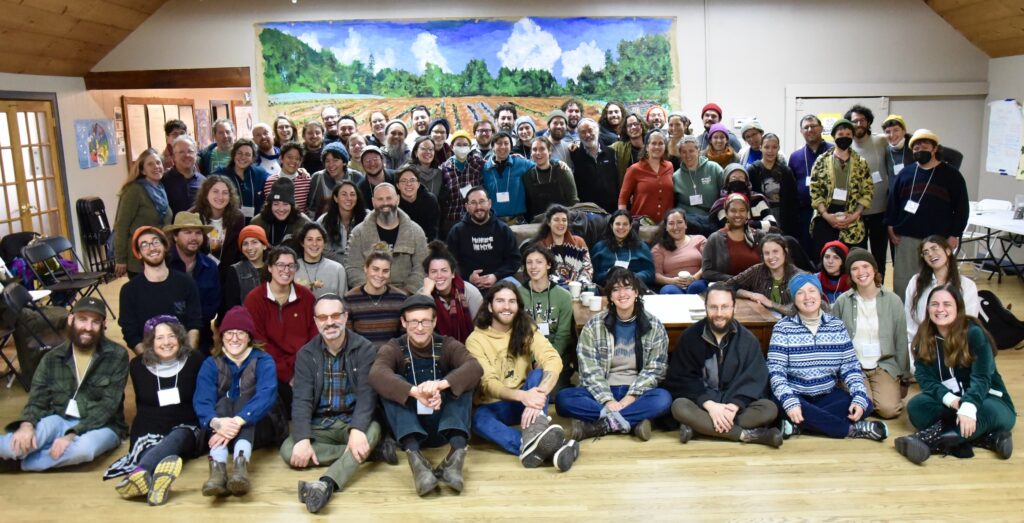
JFN meeting in Falls Village, CT.
The nonprofit’s impact is already visible in the lives of its members. Mink shares an example of a farmer who spoke at their first conference in 2020. The woman had spent years in rural spaces feeling like she had to leave her Jewishness at the door, and in Jewish spaces, feeling like she had to leave her identity as an agriculturalist behind. Teaching at that conference, she told Mink, was the first time she did not have to choose. She was able to bring her whole self forward, spiritual and agricultural at once, instead of filtering out one to make room for the other. It’s a story Mink has since heard, in some form, from many of the farmers who’ve come through JFN.
None of those challenges, difficult conversations, or moments of exclusion go away. But what holds this community together, underneath all of it, is something simple: food, and the act of honoring it. Mink points to a recent World Happiness Report finding that eating meals with others is one of the strongest predictors of a person’s sense of connection. It’s no coincidence, she says, that Judaism keeps circling back to the table. “Judaism is one of the oldest earth-based agricultural traditions being practiced today, and the same is true of most cultures,” she notes. “We were all agrarian people at some point in our lineage, and for me, the way I look at the Jewish tradition is that we carry our relationship with food into our ancestral relationships. We’ve carried it with us through various diasporas, and it has become the central place where we connect with both the traditional and also the more recent iterations of culture.”
For Mink, observing her faith and working the land are deeply connected, guided in part by the Jewish agricultural calendar, an ancient cycle of harvests, seasonal observances, and festivals tied to the land. Following it isn’t just tradition. It gives the community permission to pause, take stock, and express gratitude. Farming doesn’t stop on its own; there is always something to plant or harvest. But the holidays force a kind of stillness, a chance to notice the season she’s standing in and be present in it. That reflection, she says, allows farmers “to view our work with gratitude, to enjoy the fruits of our own labor, and to elevate our relationship with the food we grow to a place of reverence and celebration.”
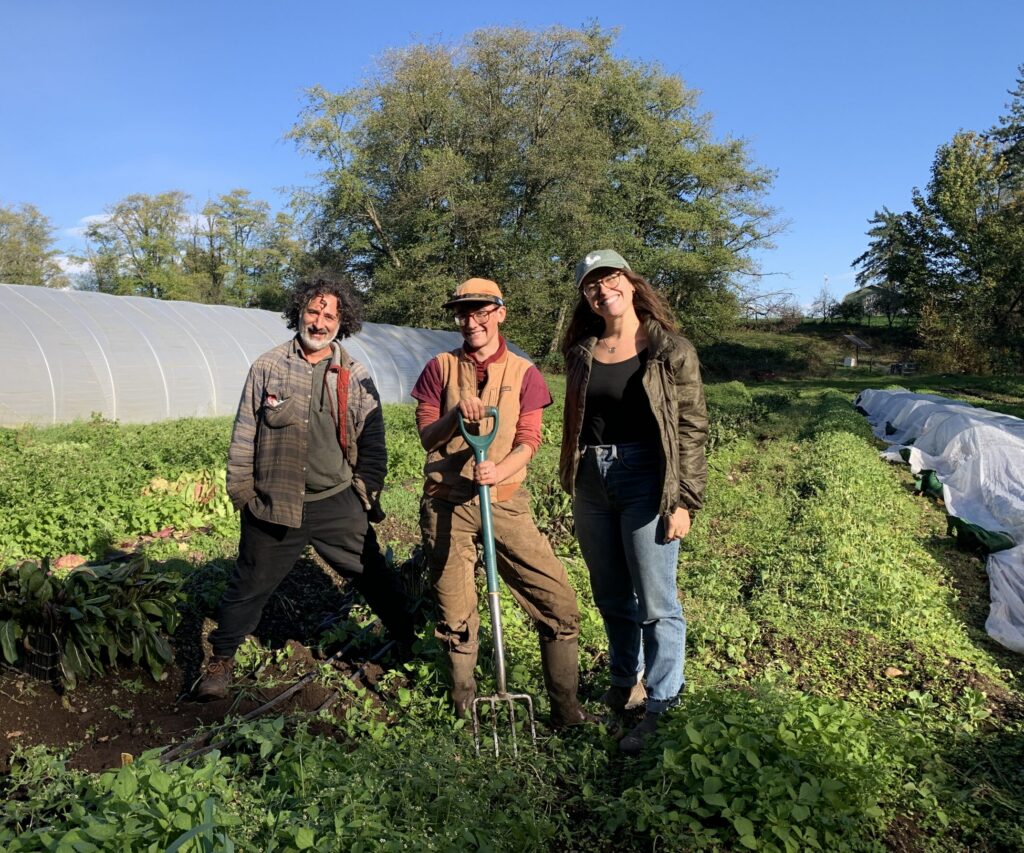
Shani Mink with farmers in Vancouver, BC.
Her organization has given a home to people who once felt caught between two parts of themselves, unsure whether there was room for both their faith and career. At JFN they don’t have to choose. Mink never set out to save an industry or make a statement about religion. She simply saw a need, brought people together, and gave a scattered community somewhere to grow.
AUTHOR
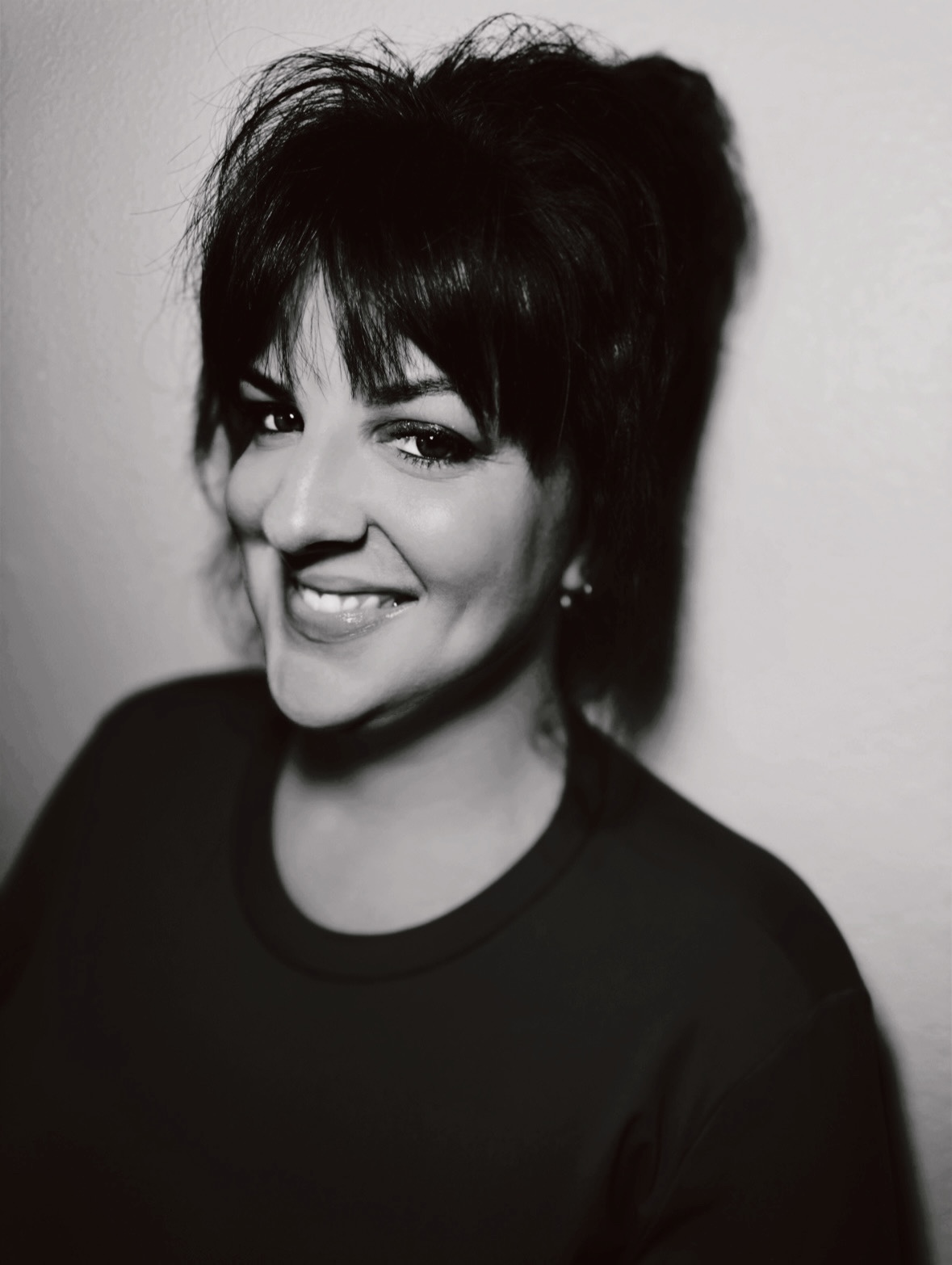
Becca Knowlton is an internationally published writer and journalist covering the human interest stories connecting us all. Her bylines appear in Eater, Voquent (UK), Oregon ArtsWatch, Willamette Living, Beyondish, and San Diego Reader. She writes about exploring and celebrating our shared humanity through food, travel, and art. She is currently based in the Pacific Northwest.


NEXT ON THE DISH